
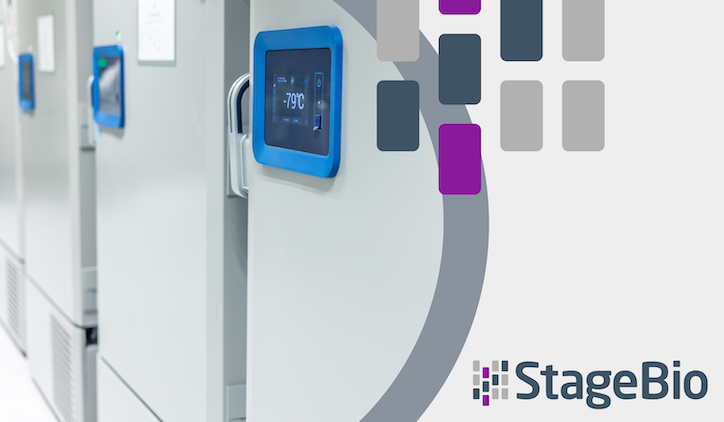


Periods of planning and transition are a practical time to review how research materials and supporting records are managed across biorepository and archiving workflows. A quick look now can improve visibility, reduce storage complexity, and keep critical research assets ready for audits, transfers, or future study needs.
Know What Must Remain Accessible
Frozen samples, slides, blocks, wet tissue, test articles, and supporting records may remain important long after active work ends. Whether the need arises from an audit, client request, study review, or planned transfer, teams should be able to identify what is being maintained, verify its history, and retrieve it efficiently.
Confirm Storage, Inventory, and Custody
Storage conditions should remain appropriate for each material type, whether that means ambient archive space or refrigerated, frozen, ultra-low, or cryogenic environments. Inventory and custody records should accurately reflect location, status, access, and movement. When these elements are managed separately or inconsistently, even a straightforward retrieval can become time-consuming and difficult to document.
Five Questions Worth Answering Now
-
Inventory: Can we quickly confirm what we have and where it is?
-
Chain of custody: Are access and movement records complete?
-
Storage: Does each material remain in the correct environment?
-
Archive readiness: Can samples and records be retrieved without unnecessary delay?
-
Consolidation: Would fewer locations or processes simplify oversight?
Close the Gaps Before They Carry Forward
Addressing gaps now can reduce retrieval delays, improve documentation clarity, support audit readiness, and simplify long-term storage planning. It can also help teams determine whether materials should remain where they are, be consolidated, transferred, or prepared for another approved disposition pathway.
StageBio’s Biorepository & Archives service lines helps research organizations consolidate materials, maintain appropriate storage, improve inventory visibility, and coordinate retrievals and transfers. A focused review can provide a practical starting point for strengthening oversight without disrupting ongoing work.
What biorepository or archiving gap should your team address next? Start by reviewing the five questions above and identifying the area that requires the most immediate attention.
If you'd like support pinpointing which gaps to address first, our team is happy to help. Learn more about StageBio's Biorepository & Archiving services or contact us to start the conversation.

 513.204.4400


